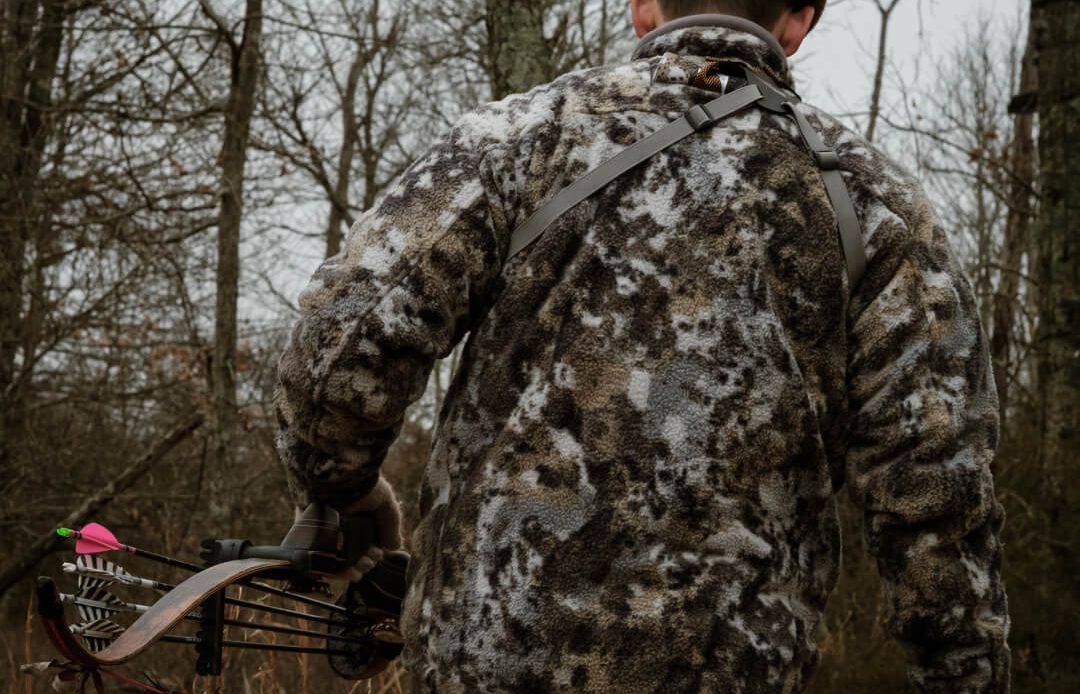
Hunting is a popular tradition in Wisconsin, bringing friends and families together to enjoy the
outdoors. But even when hunters follow all the rules, accidents can still happen. Firearm injuries,
falls from tree stands, and equipment failures are some of the most common causes of hunting-related
injuries. If you or a loved one has been hurt in a hunting accident, here’s what to do to
protect your health and your legal rights.
1. Safety First
Your first priority should always be your health. Call 911 or seek medical attention as soon as
possible, even if the injury doesn’t seem severe. Some injuries may not be immediately obvious
but can worsen quickly. Medical records will also be important evidence if you later file an
insurance claim or lawsuit.
2. Report the Accident
Wisconsin has specific statutes about what must be done following an accidental shooting or
discharge of a firearm (or arrow) during hunting. In all instances of accidental shootings or misfires
where injury occurs, the accident must be reported to local law enforcement.
In addition to notifying law enforcement, the shooter must file a written report with the Wisconsin
Department of Natural Resources (DNR) within ten days of any hunting incident involving injury
or death.
Failing to comply with either of these requirements could weaken your credibility or result in
greater legal exposure for the shooter.
3. Document Everything
If you’re able, collect as much information as possible without disturbing the scene. When
involved in an accident of any sort, there are a lot of moving parts. As a result, memories can
sometimes be unclear or incomplete. Photographing the scene, noting your recollection of events,
preserving physical evidence, and even gathering witness statements can help create a record of
events that may be useful in any legal investigation or personal injury claim.
4. Seek Legal Advice Early
Even in situations that seem clear or innocent, there can be legal pitfalls:
• Negligence and Fault: A court may examine whether a hunter acted reasonably in light of known risks (e.g., target identification, awareness of other people, line of fire).
• Criminal versus Civil Liability: Complying with statutory duties does not automatically shield you from liability, especially in more reckless cases.
• Comparative fault: If the injured party had some role in their injury (e.g., failing to wear blaze orange, moving into a path), their recovery might be reduced.
• Insurance issues: Personal liability, hunter liability, or homeowner’s / premises policies may come into play.
• Recreational immunity and landowner liability: If the accident occurred on private land, the landowner may have limited responsibility.
Because of these complexities, legal counsel can help you assess whether liability may attach and protect your rights.
5. Preserve Your Rights for a Personal Injury Claim
If you or a loved one were injured due to someone else’s negligence, you may have a valid personal injury claim.
Here are the steps to protect against that possibility:
• Don’t admit fault or make broad statements to police, insurance adjusters, or the other
party; limit your statements to factual accounts (what you saw, what you did).
• Notify your insurer (if applicable) promptly. But be cautious: insurers may pressure you
to give recorded statements or settle early.
• Collect and keep records: medical bills, records, rehabilitation, lost wage statements,
witness testimony, photographs, and documentation of future care.
• Consult an attorney experienced in Wisconsin hunting accident or firearm liability cases.
They can evaluate your claim, handle communications, negotiate with insurers, and
potentially litigate if needed.
• Be mindful of deadlines / statute of limitations: In Wisconsin, most personal injury
claims must be filed within 3 years from the date of the injury.
You Don’t Have to Handle This Alone
Being injured in a hunting accident can be painful, stressful, and confusing. But you don’t have to
figure it out by yourself. An experienced Wisconsin personal injury attorney can guide you through
your options and fight for the compensation you deserve.
If you or someone you love was hurt in a hunting accident, contact our office today for a free
consultation. We’ll review your case and help you understand your next steps.