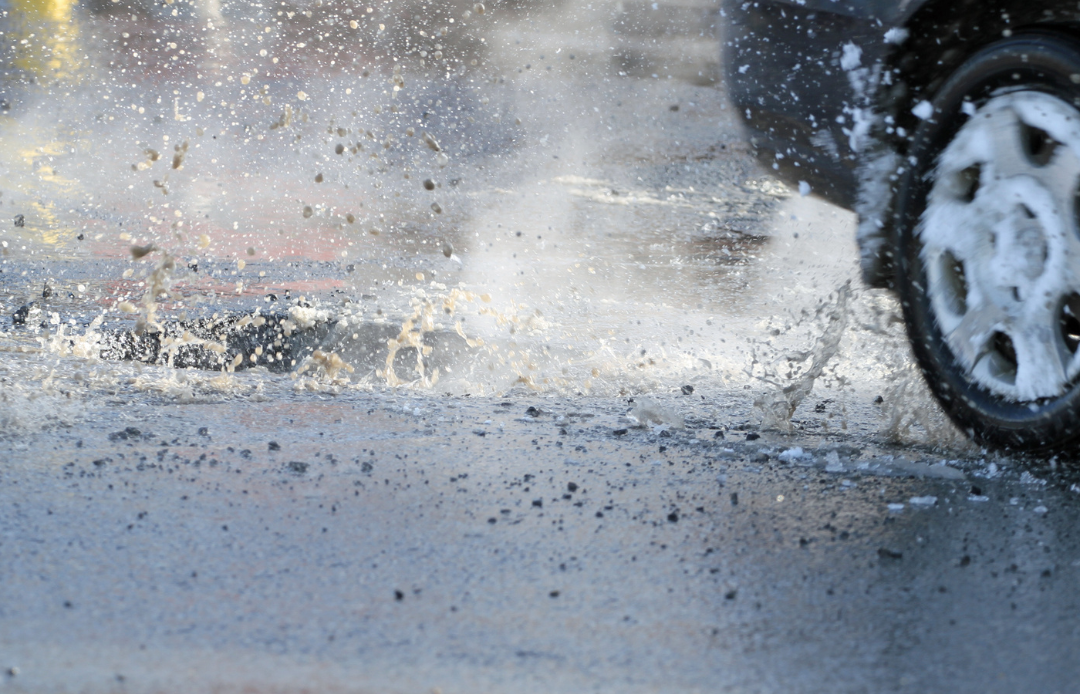
After a long Wisconsin winter, spring brings warmer temperatures, longer days, and a whole new set of driving dangers. Melting snow and freeze-thaw cycles leave behind damaged roadways. Construction crews return to work. Farm equipment reappears on rural highways.
For drivers across Wisconsin, spring conditions can create unexpected risks that lead to serious crashes and injury claims.
Here’s what you need to know.
Potholes: More Than Just a Nuisance
Wisconsin’s freeze-thaw cycles are notorious for creating potholes. As water seeps into cracks in the pavement and freezes, it expands. When temperatures rise, the pavement weakens and breaks apart, often quickly and without warning.
Hitting a pothole can cause:
• Tire blowouts
• Bent rims
• Suspension damage
• Loss of steering control
• Rear-end or multi-vehicle collisions
In some cases, drivers swerve to avoid a pothole and collide with another vehicle, a pedestrian, or roadside property.
Can You Hold a Municipality Responsible?
Claims involving potholes are complicated. Cities, counties, and the state have certain immunities and notice requirements. To pursue a claim against a government entity, you typically must prove:
• The municipality had notice of the defect
• It failed to repair it within a reasonable time
• The defect caused the crash
• AND that the municipality is not immune from the claim
Strict deadlines often apply when filing claims against government agencies, so acting quickly is critical.
Construction Zones: Narrow Lanes and Sudden Stops
Spring also marks the beginning of road construction season across Wisconsin. Orange barrels, lane shifts, and reduced speed limits become common. So do crashes.
Construction zone accidents often involve:
• Sudden braking
• Rear-end collisions
• Confusing or poorly marked detours
• Workers near active traffic
• Uneven pavement transitions
Drivers are required to obey posted construction zone speed limits, even if workers are not visible. Fines are often doubled in work zones.
Liability in construction-related crashes can extend beyond drivers. In some cases, contractors or government agencies may be responsible for improper signage, unsafe lane configurations, or debris left in the roadway.
Farm Equipment on Rural Roads
In western and northern Wisconsin especially, spring means farmers are back in the fields. Large tractors, planters, and other slow-moving vehicles begin traveling on county highways and rural roads.
Farm equipment presents unique hazards:
• Speeds as low as 15–25 mph
• Wide turns that extend into opposite lanes
• Limited visibility around curves or hills
• Minimal lighting in early morning or dusk hours
Drivers must exercise patience and caution when approaching farm equipment. At the same time, equipment operators have responsibilities as well, including proper lighting, reflective markings, and safe roadway operation.
Accidents involving farm vehicles can raise complex insurance issues, especially if the equipment is used for both personal and commercial agricultural purposes.
Wet Roads and Reduced Visibility
Spring rain and lingering road salt can make pavement slick. Combined with glare from longer daylight hours and foggy mornings, visibility may be reduced just as traffic increases.
Hydroplaning and loss of control are common factors in spring crashes.
What To Do After a Spring Road Accident
If you are injured in a crash related to potholes, construction zones, or farm equipment:
1. Seek medical attention immediately
2. Take photographs of road conditions, signage, or equipment involved
3. Obtain contact information for witnesses
4. Report the incident to law enforcement
5. Avoid giving recorded statements to insurance companies without legal guidance
Early investigation is especially important in cases involving road defects or work zones, where conditions may change quickly.
Protecting Your Rights This Spring
Spring driving conditions can be unpredictable, but your right to compensation after a preventable crash is not.
Whether your accident involves roadway defects, negligent drivers in construction zones, or unsafe operation of farm equipment, understanding how Wisconsin law applies to your situation is critical.
If you’ve been injured in a spring crash, consulting with an experienced Wisconsin personal injury attorney can help ensure your medical bills, lost wages, and long-term damages are properly evaluated and protected.
Stay alert, slow down, and give yourself extra space this spring, Wisconsin roads are still waking up from winter.