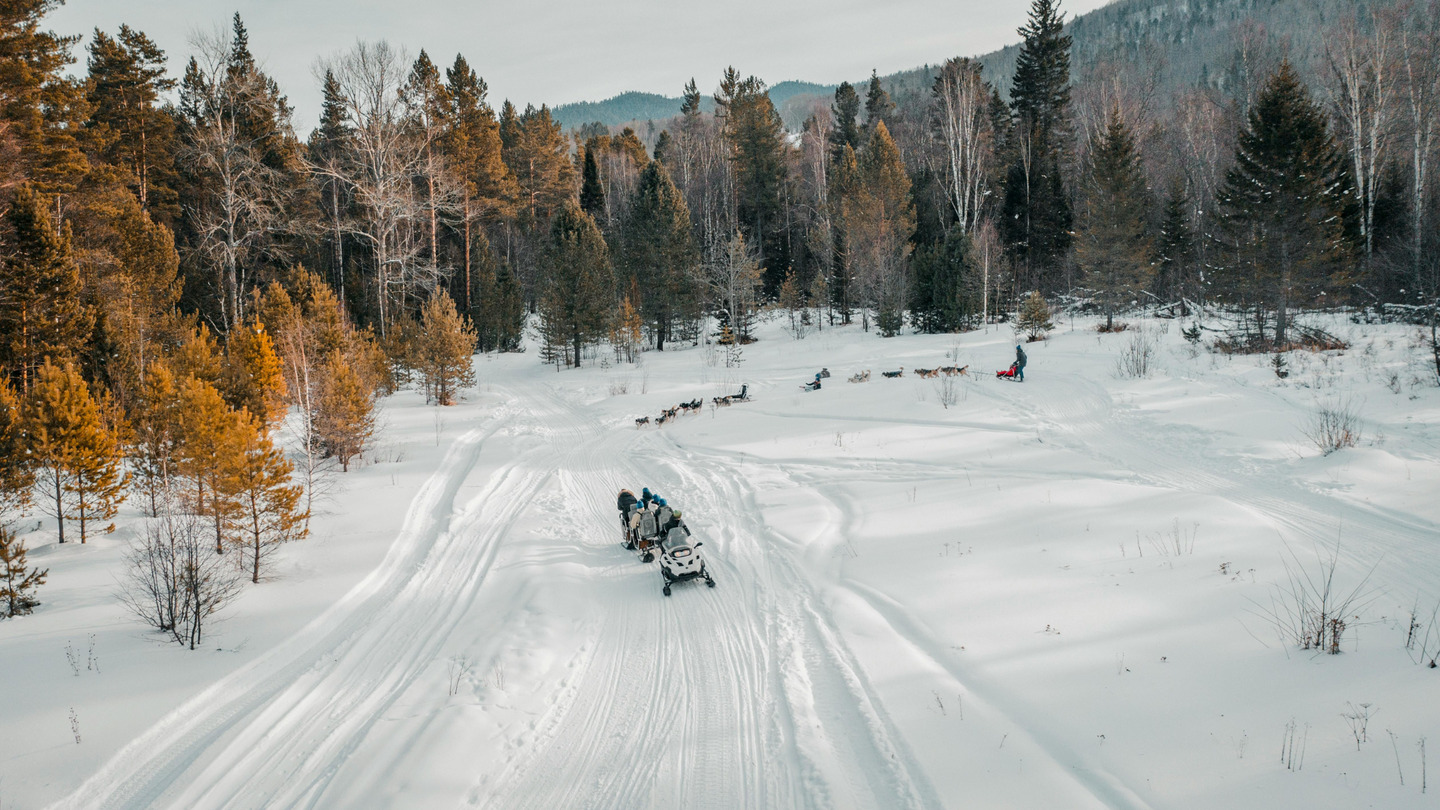
Snowmobiling can be a fun and enjoyable activity and the climate and terrain of Wisconsin make it a popular activity. As of 2026, there are an estimated 220,000 – 240,000 registered snowmobiles in this state and this winter alone, these snowmobilers are expected to use the 25,000 miles of groomed trails our state has to offer. When riding, however, it is important to recognize that a snowmobile is a motorized vehicle that, like any other, can be dangerous and lead to injuries or death.
Snowmobile Injury Causes
Each year, about 110 people die riding snowmobiles and 13,400 people are injured. Most accidents are the result of speed or alcohol. However, there are numerous causes of accidents, including:
- Lack of experience
- Reckless driving
- Negligence of the driver
- Improper servicing and maintenance of the snowmobile
- Manufacturing defects to the snowmobile
- Collision with a fixed object (i.e. trees, wires, bridges)
- Collision with another snowmobile
- Collision with a motor vehicle
- Ice or water hazards
The Need-To-Know Rules for Wisconsin Snowmobilers
As with any vehicle, there are rules for operation. These rules are established to ensure the safety of riders and the general public. A few of Wisconsin’s snowmobile rules include:
- A snowmobiler may not operate a snowmobile under the influence of alcohol or drugs on any property that is open to the public. A snowmobiler may not operate a snowmobile on any part of the freeway that is part of the federal system of interstate and defense highways unless the Department of Transportation has authorized snowmobile use on that freeway.
- A snowmobiler may not cross a roadway that has more than five traffic lanes.
- A snowmobiler must stop and heed the right of way to all vehicles on the roadway.
- A snowmobile may not cross a bridge, culvert, or railroad without first yielding the right of way to traffic.
- A snowmobiler may not operate a snowmobile next to a roadway unless he or she is doing so safely and within certain restrictions.
- Snowmobilers may not travel more than 50 mph in darkness and must have a working headlamp and a tail lamp. Additionally, between the hours of 10:30 p.m. and 7 a.m., snowmobilers within 150 feet of homes or dwellings must travel no faster than 10 mph.
- Snowmobilers may not drive at an unreasonable speed, in a careless manner, or on private property without the consent of the property owner.
Injuries Related to Snowmobile Accidents
Snowmobile accidents can result in serious injuries and fatality, including:
- Amputation, especially in cases of frostbite
- Broken bones
- Knee and back injuries
- Soft tissue injuries
- Spinal cord trauma
- Traumatic brain injuries
- Wrongful death
Our Attorneys Can Help You with Snowmobile Accidents
If you or a family member has been a victim in a snowmobiling accident, you should seek legal advice from a Wisconsin personal injury attorney. You have options, whether you were a driver, a passenger, or an innocent bystander.
Contact Us for a FREE Consultation with One of Snowmobile Accident Attorneys
For a FREE consultation with one of our personal injury attorneys at Doar, Drill & Skow, call 877-630-3062 toll-free or contact us online. Located in New Richmond, we serve clients throughout western Wisconsin and eastern Minnesota.